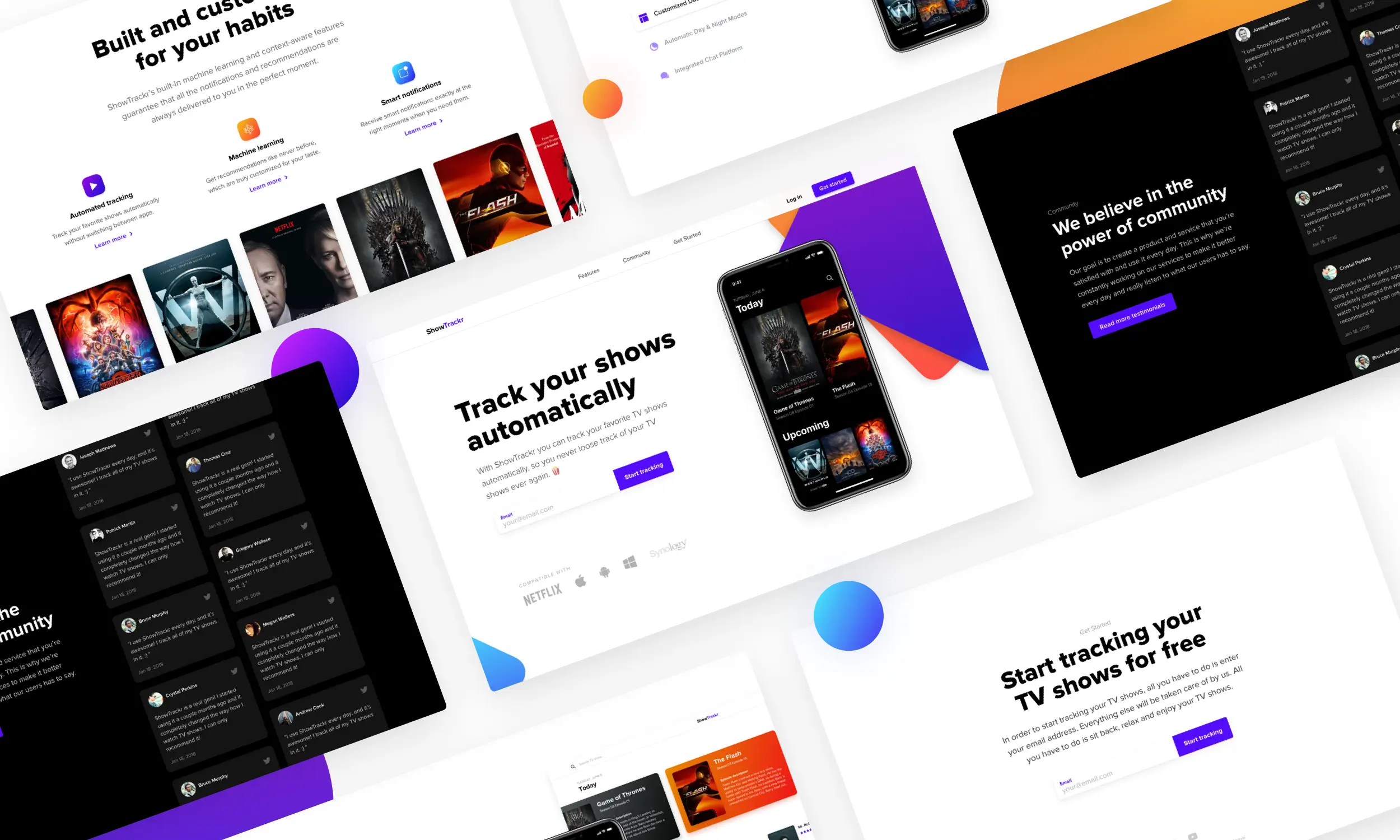
In the current digital commerce environment, achieving sustained growth depends less on acquiring new users and more on maximizing the value of every session. Generic user experiences are costly, leading to high bounce rates and abandoned carts. The solution is personal UX—dynamically altering the interface, content, and conversion path based on real-time user data, context, and inferred intent. This shift transforms a static website into a bespoke experience.
This case study demonstrates how a holistic, end-to-end approach to UX personalization, spanning the entire user journey from the initial landing page to the final checkout step, yields significant and measurable improvements in conversion rates, Average Order Value (AOV), and overall Customer Lifetime Value (LTV). We will examine personalization strategies across three critical phases: Discovery and Landing, Product Exploration, and Conversion and Checkout.
Discovery and Landing: Capturing Intent Immediately
The landing page and immediate surrounding elements are crucial for setting the tone. If the experience doesn’t resonate instantly, the user is lost. Personalized UX ensures the entrance to the site matches the user’s intent.
A. Dynamic Hero Banners and Value Proposition
The hero banner is the first and most valuable piece of real estate. Personalization ensures the message aligns with the user’s likely interest.
- Case Study Context: A multi-category retailer (e.g., Apparel, Home Goods, Electronics) observed high bounce rates when traffic arrived from specific channels (e.g., social media ads, email campaigns).
- Personalization Strategy:
- Segment Identification: Traffic was segmented based on the referral source and user history.
- Segment 1: Users arriving from an email promoting “Winter Coats.”
- Segment 2: Users arriving from a Google search for “kitchen gadgets.”
- Segment 3: Returning users whose last purchase was in the “Home Goods” category.
- Dynamic Content Delivery: The hero banner content was dynamically altered for each segment:
- Segment 1 (Coat Email): Hero banner features a large image of the latest winter coat collection with a primary CTA: “Shop Coats Now: Free Shipping on Outerwear.“
- Segment 2 (Kitchen Search): Hero banner features a montage of popular kitchen gadgets and a CTA: “Top Rated Kitchen Tools: Starting at $19.99.“
- Segment 3 (Returning Home Goods): Hero banner features a personalized message: “Welcome Back! Discover New Home Décor Styles.“
- Segment Identification: Traffic was segmented based on the referral source and user history.
- Result: The tailored messaging significantly reduced the bounce rate for all targeted campaigns by confirming the user had landed in the correct, relevant place. Bounce rates decreased by an average of 18% across targeted segments.
B. Geo-Targeted Localized Offers
User location dictates urgency, particularly concerning shipping and inventory.
- Case Study Context: A national furniture and home goods retailer needed to drive traffic to its physical stores and promote Buy Online, Pick Up In Store (BOPIS) during peak periods.
- Personalization Strategy: Users detected within a 10-mile radius of a retail location were served a persistent, personalized notification bar at the top of the site.
- Message: “Near our [City Name] Store! Get Free Same-Day Pickup on all items.“
- Friction Reduction: The personalized message explicitly confirmed availability, removing the friction of having to search for BOPIS eligibility.
- Result: This localized targeting immediately converted passive browsing into high-intent actions. BOPIS conversion rates from local traffic increased by 25%, maximizing the utility of the retailer’s physical footprint.
Product Exploration: Guiding Users with Relevant Information
Once the user is past the landing page, the goal shifts to accelerating their product discovery and providing the specific information required for their buying decision.
A. Contextual Sort Order and Filtering
Every user has different preferences for how products are displayed. Personalization ensures the most relevant products appear first.
- Case Study Context: An apparel brand found users frequently used filtering tools but often had to scroll through multiple pages to find items of interest.
- Personalization Strategy: The default product grid sort order was replaced with an AI-driven relevance score based on the individual user’s data:
- Returning User: Products related to their last viewed category, favorite color, and size preference were prioritized at the top of the collection page.
- New User (Category Affinity): Products most popular within the first category they clicked and those with high inventory were prioritized.
- Cross-Sell Opportunity: If a user was viewing accessories, the AI prioritized items that complemented a product they had previously purchased.
- Result: By presenting relevant options immediately, the personalization system reduced the need for manual filtering and endless scrolling. Time spent browsing decreased by 15%, and the Product View to Add-to-Cart rate increased by 10%.
B. Personalized Social Proof and Testimonials
Trust is contextual. Showing a user social proof that aligns with their own profile dramatically increases confidence.
- Case Study Context: A vitamin and supplement retailer needed to increase credibility among diverse user segments.
- Personalization Strategy: On the Product Detail Page (PDP), the AI dynamically highlighted a single testimonial from the product’s full review list.
- Logic: The highlighted review was selected based on the viewing user’s inferred or stated age group, gender, or primary wellness goal.
- Example: A male user in his 50s viewing a joint supplement saw a highlighted review starting with, “Verified Buyer (Male, 58): Helped me get back on the golf course…“
- Result: This targeted trust signal immediately resonated. Conversion rates for the PDP increased by 6%, proving that contextual validation is highly persuasive in high-consideration purchases.
Conversion and Checkout: Eliminating Final Friction
The final steps of the journey are the most prone to abandonment. Personalization eliminates surprises and automates choices, ensuring a smooth transition to completion.
A. Dynamic Cart Recovery Messages
Cart abandonment is often triggered by concerns about shipping or cost. Personalized messages address these concerns proactively.
- Case Study Context: A book retailer wanted to reduce exit-intent abandonment from the cart page.
- Personalization Strategy: An exit-intent modal was triggered, but the content was personalized based on the contents of the user’s cart:
- Value-Based: If the cart total was close to the free shipping threshold (e.g., $5 away from $35), the message read: “Just $5 more for FREE Shipping! Add a bookmark or small gift.“
- Product-Based: If the cart contained a single, high-margin item, the message offered a time-sensitive, small discount: “Wait! Get 5% off your first checkout today.“
- Result: This timely, precise messaging converted hesitation into action. Cart abandonment rates from the cart page decreased by 12%, demonstrating the power of contextual persuasion.
B. Checkout Field Optimization and Smart Defaults
Any action that requires typing or manual selection is a potential point of failure.
- Case Study Context: A beauty subscription service found high drop-off rates on the payment and shipping steps.
- Personalization Strategy:
- Shipping: For returning users, the AI defaulted the shipping selection to the most recently used address and shipping speed.
- Payment: The payment form defaulted to the user’s last used or saved payment method. For new users, if they arrived from an Apple Pay or Google Pay link, the corresponding quick-payment option was prominently featured at the top of the checkout flow.
- Result: By eliminating repetitive form filling and leveraging smart defaults, the Time-to-Purchase decreased by an average of 14 seconds for returning users, and Checkout Conversion Rate increased by 9% overall.
C. Post-Purchase Personalized Next-Step (LTV Nurturing)
Personalization doesn’t stop at the purchase button; it extends into nurturing the customer relationship.
- Case Study Context: An electronics retailer needed to increase adoption of product registration and extended warranty purchases after the initial transaction.
- Personalization Strategy: The post-purchase confirmation screen (and follow-up email) was dynamically altered based on the product purchased.
- Example (Laptop Purchase): The thank you message included a dedicated module: “Maximize your investment: Register your Laptop now to activate your 2-Year Warranty.“
- Example (Accessory Purchase): The module offered a relevant cross-sell: “People who bought this cable also love our premium travel case.“
- Result: This targeted guidance improved the adoption rate of high-LTV behaviors. Extended warranty purchase rates in the post-purchase flow saw a 7% lift, directly improving the long-term profitability of the initial sale.
Conclusion
This comprehensive case study illustrates that treating UX personalization as a continuous, end-to-end journey—from the dynamic landing page to the streamlined, predictive checkout—is paramount. By replacing static elements with intelligent, data-driven decisions at every touchpoint, businesses can significantly reduce friction, increase user relevance, and foster a strong sense of personal connection with the brand. The combined impact of these strategies results in a powerful uplift across the full funnel, delivering robust increases in Conversion Rate, Average Order Value, and ultimately, sustainable Customer Lifetime Value.