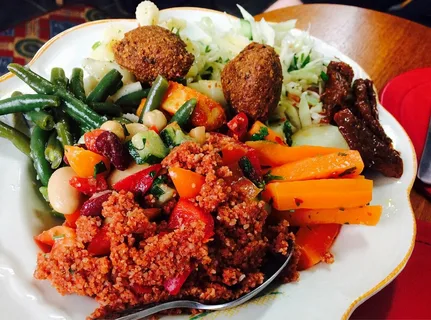
Fast food has grown from a rare indulgence to a mainstay of the daily diet for millions in the pace of modern life, where time is sometimes the most limited resource. Its impact goes beyond simple convenience; it actively influences our diets, health results, and even our relationship with food itself. The demands of packed schedules, protracted commutes, and dual-income households are quite suited to the immediacy of service, consistent flavour, and widespread availability. Public health, family relationships, and local food systems are all much affected by this change. For people juggling a busy schedule, the everyday choice of what to eat is much impacted by the sheer convenience and marketing of fast-service alternatives. Food in Stockport is a relevant microcosm of this worldwide trend.
The Dominance of Convenience and Time-Saving
Fast food’s unrivalled ease is the strongest force driving its prevalence. In a society that values productivity and efficiency, the capacity to get a hot meal within minutes through drive-through, app delivery, or counter service solves the immediate need of hunger without requiring time for planning, grocery shopping, or cooking. This gradually weakens the practice of meal preparation by conditioning people to prioritise speed overother dietary factors. The cycle of busy life demands quick solutions leaves less time and energy for alternative, slower food practices, therefore embedding fast food as a default choice.
Normalising High-Energy, Low-Nutrient Diets
While having low vital fibre, vitamins, and minerals, regular use of fast food normalises a diet high in refined carbohydrates, bad fats, salt, and sugar. Meals are designed for shelf-stability and palatability, not holistic nutrition. Taste buds evolve, which causes whole foods like vegetables and grains to seem uninteresting in contrast to these potent flavours. This starts a long-term preference for processed, energy-dense meals that can cause nutrient shortages and related health risks, even when calorie intake is adequate, by changing dietary choices from early childhood.
The Decline of Organised Meal Times
Traditional family dinners at fixed times are being replaced more and more by grazing and eating on the run. Designed for personal portability and consumption anywhere in the car, at the desk, or while walking, fast food helps and encourages this fragmentation. This upends thoughtful consumption and social eating customs. Eating becomes a solitary, sometimes thoughtless act pushed between other engagements without the organisation of a common table, therefore weakening our relationship to food as a social and cultural event and encouraging quicker, less fulfilling eating.
Portion distortion and calorie underestimation
Offering big servings for little extra cost, fast food companies have popularised supersizing. This marketing approach has skewed people’s view of a typical portion size. Research generally reveals that people often underestimate the calorie counts of fast food meals by sizable margins. Large meals reframe expectations and make typical home-cooked meals appear subpar. This habit of having large meals directly fuels passive overeating and weight increase as the volume of food offered overrides the body’s natural satiety cues.
Strategic Marketing and Brand Loyalty
Using toys, mascots, and digital engagement to create lifelong brand loyalty, fast food companies aggressively market to kids and busy adults alike. For adults, commercials stress simplicity, value, and compensation for a demanding day’s work. Particularly via focused digital advertisements, this continual exposure influences perceptions and cravings, hence making some brands a top-of-mind choice for hunger. Rather than thinking about other possibilities, the habitual answer to stress or time pressure becomes grabbing for a known brand item.
Customisation and the illusion of choice
Today’s fast food menus sometimes create a deception of great selection and healthy customising, have it your way. The basic components are processed and fixed, though offering some flexibility (e.g., add salad, pick a wrap). This can generate a false impression of control and dietary sufficiency, therefore causing customers to believe they are eating better options within a naturally restricted context. Emphasis on customisation might distract from the basic nutritional profile of the dish, therefore permitting the habit to continue under a cover of personal accountability and choice.
Conclusion
By deftly matching the economic and social demands of hectic lives, fast food has totally changed the contemporary diet. It encourages a cycle in which convenience breeds dependence, therefore affecting our tastes, expectations of portion size, and daily rhythm. Although it fixes a current logistics issue, the long-term expenses for food awareness, social systems, and health are substantial. The rising public awareness and a possible path for transformation are reflected in the emerging tendency toward more nutritious fast-casual choices. Finally, ttravellingthis terrain ccallsfor intentional effort to regain time for food preparation, help local options, and make wise decisions under the restrictions of a fast-paced environment.
Visit thepizzaedition for more informative blogs.