Movies have a strange kind of power. They make us laugh, cry, and sometimes even hungry. A single scene on the big screen can turn an ordinary dish into a cultural symbol. Suddenly, people around the world want to cook it, taste it, and recreate the moment they saw in a film.
Food in movies is never just food. It carries emotion, memory, and storytelling. A plate on the table can represent family, love, struggle, or celebration. That is why some dishes become famous not because of restaurants or chefs, but because of cinema.
Over the years, several meals have moved from movie scenes to real kitchens. Fans search for recipes, restaurants add them to menus, and food bloggers recreate them step by step.
Let’s explore some of the most famous foods that became popular because of movies and the stories behind them.
Ratatouille – The Dish That Made a Critic Cry
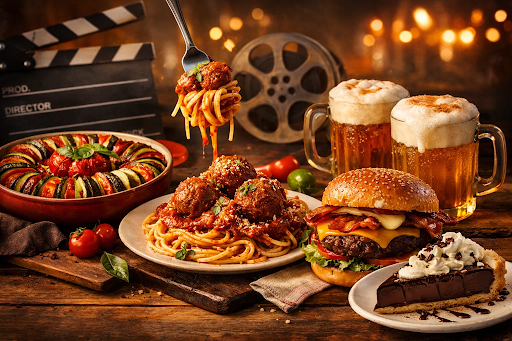
One of the most memorable food moments in film history appears in the animated movie Ratatouille. In the story, a small rat named Remy dreams of becoming a chef in Paris. The turning point comes when he prepares a simple vegetable dish called ratatouille for the harsh food critic Anton Ego.
When Ego tastes it, something magical happens. The flavor takes him back to childhood memories. The scene shows how food can connect people to emotions and the past.
After the movie was released, ratatouille suddenly became a trending recipe across the world. Many viewers had never even heard of the dish before the film. But seeing it on screen made them curious.
Ratatouille itself is a traditional French vegetable stew made with eggplant, zucchini, tomatoes, peppers, onions, and herbs. It was originally considered simple peasant food in southern France. Yet the movie transformed it into a symbol of culinary artistry.
Restaurants began presenting ratatouille in elegant ways inspired by the film. Home cooks searched online for ways to recreate the colorful layered version shown in the movie.
This is one of the clearest examples of how a film can change the reputation of a dish.
The Big Kahuna Burger – Fiction That Became Reality
Quentin Tarantino’s Pulp Fiction introduced audiences to the legendary Big Kahuna Burger. In one of the most famous scenes, the character Jules Winnfield calmly eats a burger while interrogating two criminals.
The line “This is a tasty burger” became iconic. The moment turned the fictional restaurant into a cultural reference.
What is interesting is that the Big Kahuna Burger did not exist in real life. It was completely invented for the movie. But fans loved the idea so much that restaurants around the world started creating their own versions.
Some pop-up restaurants even used the exact name.
The burger itself represents American fast-food culture. Simple ingredients like beef patties, cheese, lettuce, and sauce become part of a cinematic moment that viewers never forget.
This shows how movies can influence not only recipes but also restaurant concepts.
Spaghetti and Meatballs – A Romantic Classic
Few movie scenes are as charming as the dinner moment in Lady and the Tramp. Two dogs share a plate of spaghetti and meatballs under the night sky while romantic music plays.
As they eat the same strand of spaghetti, their noses meet in a sweet moment that has become one of the most famous scenes in animation history.
Before the movie, spaghetti and meatballs were already popular in Italian-American households. But the film turned the dish into a symbol of romance and love.
After the movie’s success, restaurants began referencing the scene. Couples often order spaghetti dishes during romantic dinners inspired by that moment.
Today, the image of two characters sharing spaghetti remains a cultural icon. It shows how a simple meal can become part of storytelling history.
Chocolate Pie – A Taste of Comfort in The Help
The movie The Help tells a powerful story about race and social change in the American South during the 1960s. One memorable element of the film is the chocolate pie prepared by Minny, a talented cook working for a wealthy family.
Food in the movie represents comfort, tradition, and resistance. Minny’s cooking shows her strength and personality.
The chocolate pie became especially memorable because it appears in one of the film’s most talked-about scenes. Viewers became curious about Southern desserts and traditional baking.
After the movie’s release, many food blogs and recipe websites began publishing chocolate pie recipes inspired by the film.
The dish itself is rich, creamy, and simple. Yet it carries emotional meaning because of the story attached to it.
This is another example of how food and narrative work together in cinema.
The Krabby Patty – A Cartoon Burger That Took Over the Internet
Sometimes fictional food becomes more famous than real food. The Krabby Patty from the animated series SpongeBob SquarePants is a perfect example.
Although it comes from a cartoon rather than a traditional film, its influence is massive.
In the show, the Krabby Patty is the secret recipe that keeps the Krusty Krab restaurant successful. The formula is hidden, and characters constantly try to steal it.
Because the recipe was never revealed, fans started creating their own versions. Thousands of videos and articles appeared online explaining how to make a Krabby Patty at home.
Restaurants and theme parks even created official versions.
This shows how storytelling can turn imaginary food into a global trend.
Turkish Delight – The Candy from The Chronicles of Narnia
In The Chronicles of Narnia: The Lion, the Witch and the Wardrobe, the character Edmund betrays his siblings after being tempted by a magical candy called Turkish delight.
The scene made many viewers curious about the sweet. Turkish delight is a traditional Middle Eastern confection made from sugar, starch, and flavors like rosewater or lemon.
Before the film, it was not widely known in some Western countries. But after the movie, sales increased as fans searched for the mysterious candy.
Many viewers tried it simply because they wanted to understand why Edmund found it so irresistible.
Sometimes curiosity driven by storytelling is enough to make a food popular.
Pizza – The Hero of Teenage Mutant Ninja Turtles
Pizza was already popular worldwide, but Teenage Mutant Ninja Turtles gave it a unique identity.
The four turtle heroes love pizza so much that it becomes part of their personalities. Nearly every episode or film includes pizza scenes.
Their enthusiasm turned pizza into a symbol of fun and friendship.
Many pizza chains used the characters in promotions during the 1990s. Kids who watched the movies wanted pizza after every action scene.
Even today, pizza remains strongly associated with the turtles.
This is an example of how repeated exposure in movies and television can reinforce the popularity of a food.
Butterbeer – The Magical Drink of the Wizarding World
The Harry Potter films introduced fans to a magical beverage called butterbeer. Students at Hogwarts enjoy the drink in the cozy Three Broomsticks Inn.
Although the drink was fictional at first, fans desperately wanted to taste it.
Theme parks, cafes, and restaurants eventually created real versions. Most butterbeer recipes include cream soda, caramel flavor, and whipped topping.
Today, visitors to wizard-themed attractions often consider butterbeer a must-try experience.
A fictional drink became a real product because audiences wanted to live inside the movie world.
Timpano – The Grand Italian Feast in Big Night
The film Big Night celebrates Italian cooking in a deeply emotional way. One dish stands at the center of the story: timpano.
Timpano is a massive baked pasta pie filled with meatballs, eggs, pasta, cheese, and sauce. It is sealed in dough and baked like a treasure chest of flavors.
In the movie, the chefs prepare this dish as the highlight of a special dinner meant to save their restaurant.
The dramatic reveal of the sliced timpano is unforgettable.
After the movie, many viewers became interested in traditional Italian cooking. Chefs began recreating the dish in restaurants and cooking shows.
Timpano remains a symbol of culinary passion thanks to that film.
Why Movie Food Becomes So Popular
Movies do more than show food. They connect it with emotion and story.
When audiences see characters enjoying a meal, they imagine the taste, smell, and experience. That emotional connection makes the food memorable.
Several factors explain why certain dishes become famous after appearing in films.
First, storytelling gives the food meaning.
A meal might represent family, love, or childhood memories.
Second, visual presentation matters.
A beautifully filmed plate of food can make viewers instantly hungry.
Third, curiosity plays a role.
If the audience has never seen the dish before, they want to try it.
Finally, nostalgia keeps the food popular.
People recreate recipes because they want to relive the movie moment.
This combination of emotion and curiosity turns ordinary dishes into cultural icons.
Movies That Turned Recipes Into Trends
Food trends often begin in unexpected places. A chef might invent a new dish, but sometimes the real spark comes from cinema.
When millions of viewers watch a movie, the food shown in that film becomes part of shared cultural memory.
Food bloggers, restaurants, and home cooks quickly pick up on these trends. They experiment with recipes inspired by films and share them online.
In this way, movies influence not only entertainment but also everyday cooking habits.
Many popular recipe websites now include categories dedicated to “movie inspired food.”
Final Thoughts
Food and storytelling have always been connected. A meal can express emotions that words cannot. Movies understand this power and use it to create unforgettable scenes.
From ratatouille in a Parisian kitchen to butterbeer in a magical tavern, film has introduced audiences to flavors they might never have discovered otherwise.
Some dishes become famous overnight because a character eats them on screen. Others inspire fans to cook and experiment in their own kitchens.
The next time you watch a movie and feel hungry during a scene, remember that you are not alone. Cinema has a way of turning simple meals into worldwide sensations.
And who knows? The next iconic food trend might already be hiding in a scene from the latest film waiting to inspire the world.
At Is True Story, we explore the fascinating connections between films and the real world. From the true stories behind famous movies to the cultural moments that shaped cinema, our goal is to reveal the history and inspiration behind the stories we watch on screen. When movies introduce unforgettable foods, they become part of that story too—showing how entertainment can influence what we cook, eat, and share around the table.