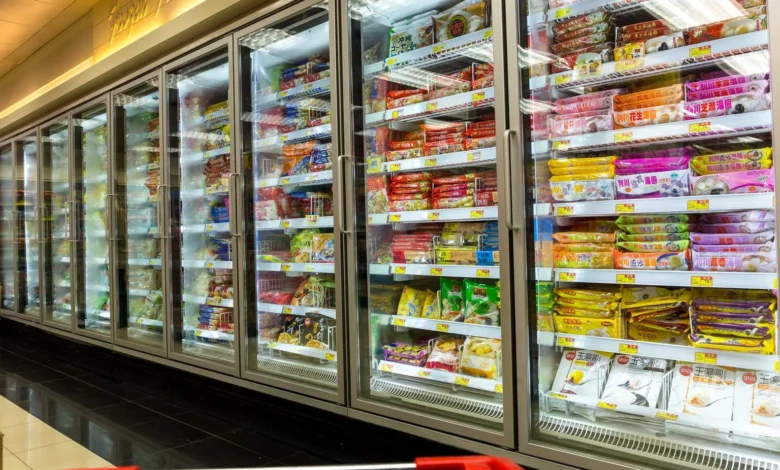
Any food service business needs a hot food display cabinet for more than simply storage. It makes food look attractive and keeps it fresh, safe, and high-quality. Cafés, bakeries, and restaurants need well-functioning cabinets every day. Even the best display cabinets can break down, develop mechanical issues, or cause hygiene issues if not properly maintained. For something to last, you must clean it well, monitor it, use it cautiously, and have it tested for mechanical issues. By being proactive, firms may save money, ensure food safety, and maintain appearance for years.
Understanding the Structure and Components
To maintain a food display cabinet, you must understand its operation and parts. A typical display cabinet features cooling, shelves, lighting, glass, doors, and control panels. Refrigerators maintain temperature and preserve food with compressors, condensers, and evaporators. Shelves support and provide airflow, and lighting enhances food appearance. You can see through glass panels, but they can grow dusty and shattered if not maintained. When staff knows what each part performs, they can determine which parts require frequent cleaning, checking, and maintenance. This prolongs cabinet life.
Temperature Monitoring and Control
Food safety and cabinet efficiency depend on proper temperature. Cold display cabinets should be 1°C to 4°C, while heated ones should be over 60°C. Modern cabinets include thermostats and digital sensors, but you must manually check them. Temperature changes may render food unsafe and wear out heating and cooling systems faster and require more energy. Advanced machines may feature digital logging or alarm systems to detect issues quickly. Regular checkups keep food fresh, cabinets working, and mechanical parts from overworking.
Regular Cleaning Practices
Cleaning is the most crucial element of food display cabinet maintenance. Food, grease, and dust on shelves, trays, and walls can reduce airflow and hygiene. Daily cabinet cleaning using food-safe cleaners is recommended. Before reattaching racks and trays, wash and dry them. Glass surfaces should be cleaned with streak-free products to maintain them clear for consumers. If you don’t clean, bacteria can develop, items can smell awful, and residue on sensitive areas can ruin equipment. Frequent cleaning keeps everything clean, food fresh, and the cabinet lasting.
Proper Loading and Airflow Management
Product arrangement in a cabinet greatly influences performance. Overloaded shelves or blocked air vents hinder airflow, causing inconsistent temperatures and pushing the cabinet to work harder. It lowers energy efficiency and damages delicate mechanical components over time. Space items enough to enable cold or hot air to circulate. Lower shelves should hold heavier objects to avoid straining shelving frameworks. Proper loading maintains food quality, reduces cabinet system stress, and improves product appearance and functioning.
Lighting and Electrical Care
Safety and presentation depend on lighting and electrical components. LED lighting is popular due to its low heat emission and energy efficiency, however bulbs and fixtures must be cleaned and examined often. Also inspect switches, control panels, and wiring to avoid failures, fire dangers, and functioning. Electrical components in poor condition can influence temperature control, food safety, and exhibition appeal. Proper lighting and electrical maintenance keeps the cabinet running smoothly and displays items well.
Avoiding Common Mistakes
Some simple faults might shorten a food display cabinet’s lifespan. Most problems involve overloading shelves, not cleaning spills, using abrasive cleaners, or disregarding temperature variations. Extended cabinet door openings can also strain the refrigeration system and produce temperature fluctuations. Staff should learn gentle cleaning, cautious loading, and efficient operating. Avoiding these blunders safeguards the cabinet and its food, avoiding repairs and improving long-term usage.
Energy Efficiency and Environmental Considerations
Long-term cabinet maintenance requires energy efficacy. Maintaining door seals, cleaning condenser coils, and minimising door openings minimise energy use. Off-peak energy-saving settings may be available in modern cabinets. Efficient functioning reduces utility bills and promotes green business. Businesses may maximise cabinet performance, decrease component wear, and save operational costs while supporting sustainability goals by integrating energy-conscious practices with annual maintenance.
Conclusion
A food display cabinet may last for years if properly maintained. Cleaning, temperature monitoring, loading, mechanical inspections, illumination, and judicious usage are needed for long-term functioning. Avoiding frequent faults and using energy-efficient methods extends cabinet life. Business owners may safeguard their investment, assure food safety, and attract consumers by knowing a display cabinet’s construction, operations, and maintenance needs. Effective maintenance keeps the cabinet working and boosts a restaurant’s reputation.
Visit The Pizza Edition for more informative blogs.