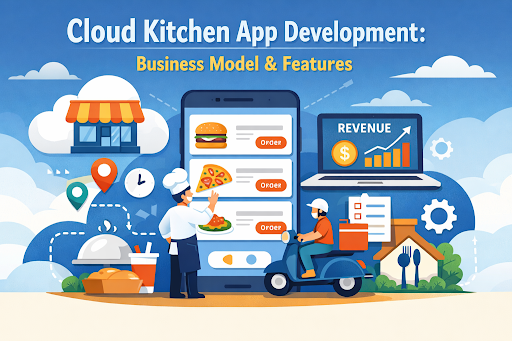
In recent years, the food technology market has undergone a dramatic transformation. One of the newest and fastest-growing trends in this space is the cloud kitchen, also known as a virtual kitchen, ghost kitchen, or dark kitchen. These delivery-only restaurants have redefined how people explore and experience food without the traditional dine-in setup.
Fuelled by the widespread adoption of food delivery apps, cloud kitchens have become the backbone of the modern food delivery ecosystem. For entrepreneurs, startups, and established restaurant chains, developing a robust cloud kitchen app presents a powerful opportunity to scale operations, reduce overheads, and tap into the growing customer demand for convenience and speed.
This post explores everything you need to know about cloud kitchen app development, including its business model, must-have features, and the key factors affecting the food delivery app development cost.
Understanding the Cloud Kitchen Model
A cloud kitchen is a commercial facility built exclusively for food preparation and delivery. There’s no dine-in area, no front-of-house staff, and limited direct customer interaction. Instead, all orders come through online platforms such as mobile apps or third-party aggregators like Swiggy, Zomato, or Uber Eats.
The essence of a cloud kitchen lies in operational efficiency. By eliminating the need for physical storefronts, owners can save significantly on real estate, decor, utilities, and labor. This makes it easier to experiment with multiple food brands from a single kitchen, run hyperlocal delivery networks, and serve a larger geographical area at reduced costs.
Key Types of Cloud Kitchen Models
- Independent Cloud Kitchen – A single brand operating in one kitchen with its own delivery system.
- Shared Kitchen / Co-working Kitchen – Facility rented out to multiple brands operating independently but sharing infrastructure.
- Multi-brand Cloud Kitchen – One company runs multiple virtual brands from a single location, each targeting different cuisines or audiences.
- Aggregator-managed Kitchen – Platforms like Swiggy Access or Uber Eats Kitchens provide kitchen space and logistics for small brands.
- Franchise Cloud Kitchen – Established cloud kitchen chains offering franchise opportunities for rapid expansion.
Each of these models can be supported by a tailored food app development service solution aligned with branding, logistics, and operational needs.
Why Invest in a Cloud Kitchen App?
As the global online food delivery market continues to surge, driven by convenience and digital adoption, having a custom app becomes essential. Cloud kitchens benefit immensely from digitalization through the following:
- Brand Visibility: Instead of relying on third-party platforms, owning a dedicated app allows direct brand communication and customer retention.
- Data Ownership: Apps provide access to user data — helping with personalized marketing, pricing optimization, and performance tracking.
- Operational Automation: Integrating delivery, order management, and kitchen inventory into one system reduces waste and improves efficiency.
- Scalability: Once built, the app can scale to support multiple kitchens or brands across cities without heavy investment in new infrastructure.
- Customer Loyalty: Loyalty programs, push notifications, and seamless UI/UX help in building long-term relationships with customers.
In short, a well-structured cloud kitchen app is more than just a delivery medium; it’s a strategic growth engine for the business.
Core Features of a Cloud Kitchen App
When developing a cloud kitchen app, functionality must seamlessly serve customers, kitchen staff, and delivery executives. The app usually comprises three primary modules: Customer App, Admin Dashboard, and Delivery App.
1. Customer App Features
These are the features users interact with daily and form the foundation of great user experience:
- Easy Registration and Login: Social media and phone number-based authentication.
- Smart Menu Display: Dynamic menus with images, pricing, offers, and availability status.
- Real-time Order Tracking: Live updates for order preparation and delivery status.
- Multiple Payment Options: Integration with major payment gateways, wallets, and COD options.
- Ratings & Reviews: Feedback mechanism to ensure quality and transparency.
- Push Notifications: Updates on order status, discounts, and promotions.
- Loyalty & Rewards System: Gamified points or cashback for repeat orders.
2. Kitchen/Admin Panel Features
The control center for managing orders, product listings, and performance analytics:
- Order Management Dashboard: Centralized display for managing incoming orders in real time.
- Inventory Management System: Auto-updates ingredient stock levels and sends low-stock alerts.
- Menu Customization: Easily modify items, prices, and combo offers.
- Analytics & Reporting: Data insights on sales trends, peak hours, and customer behavior.
- Staff Management: Assign duties, track performance, and manage shifts.
3. Delivery App Features
Tailored for delivery partners to ensure timely and efficient logistics:
- Delivery Request Alerts: Assign new orders to the nearest available driver.
- Navigation & Route Optimization: Integrated GPS and traffic-based route suggestions.
- Delivery Status Update: Drivers can mark pickup and delivery milestones.
- Earnings Dashboard: Tracks daily earnings, bonuses, and order histories.
By ensuring each module works harmoniously, developers can deliver a smooth and reliable end-user experience.
Technology Stack for Cloud Kitchen App Development
Choosing the right tech stack plays a critical role in building a robust and scalable app. Common technologies used in food app development services include:
- Frontend: React Native, Flutter, or Swift (for iOS) and Kotlin (for Android).
- Backend: Node.js, Django, or Laravel for efficient server-side operations.
- Database: PostgreSQL, MongoDB, or Firebase for real-time updates.
- Cloud & Hosting: AWS, Google Cloud, or Microsoft Azure for secure data management.
- APIs: Payment Gateway APIs, Google Maps API, and SMS or email notification integrations.
Working with experienced developers ensures the app architecture supports growth and future upgrades such as AI-driven recommendations, voice ordering, or drone deliveries.
Business Model and Revenue Streams
A cloud kitchen app can adopt several monetization models depending on its operational scale and target market.
- Commission Model: Charging a fixed commission per order for partner restaurants.
- Subscription Plans: Offering premium features or marketing tools through monthly subscriptions.
- Advertisement Revenue: Promoting restaurants, dishes, or brands through in-app placements.
- Delivery Charges: Applying a small convenience fee per delivery.
- Franchise Licensing: For multi-brand setups, licensing the software to franchisees.
This flexible model ensures continuous revenue flow even with fluctuating order volumes.
Estimating the Food Delivery App Development Cost
Determining the exact food delivery app development cost depends on several factors, including:
- App Complexity: The number of features, integrations, and UI components.
- Platform Choice: Developing for Android, iOS, or both using cross-platform frameworks.
- Backend Infrastructure: Hosting, API requirements, and database management.
- Design and UX: Custom animations, advanced navigation, or high-end visuals increase costs.
- Development Team Location: Costs vary widely; North American devs charge more than teams in Asia or Eastern Europe.
- Maintenance & Updates: Regular updates, bug fixes, and new feature additions also add to long-term costs.
On average, a basic cloud kitchen app may cost between $3,000–$5,000, while a comprehensive enterprise-level platform can range from $10,000 to $15,000 or more, depending on functionality and customization. Partnering with an experienced provider offering food app development services ensures cost efficiency and timely delivery aligned with business goals.
Future Trends Shaping Cloud Kitchen Apps
The cloud kitchen industry continues to evolve with technological innovation. Here are emerging trends shaping its future:
- AI & Data Analytics: Predicting order volumes, optimizing delivery routes, and enhancing personalization.
- IoT-enabled Kitchens: Smart sensors monitoring equipment, temperature, and ingredient usage.
- Drone and Robot Deliveries: Reducing delivery time and operational costs.
- Sustainability Practices: Eco-friendly packaging and carbon tracking to attract conscious customers.
- Metaverse Integration: Virtual restaurant experiences and interactive brand storytelling.
By staying ahead of these trends, businesses can create a tech-driven culinary brand that appeals to digitally savvy consumers.
Final Thoughts
Cloud kitchen app development offers restaurant owners and startups a chance to modernize their operations and build a digitally native brand. With the right food app development services, you can launch a smart, scalable platform that automates kitchen management, strengthens customer relationships, and optimizes delivery workflows.
Whether you’re an emerging food entrepreneur or an established player expanding digitally, investing in a well-designed cloud kitchen app ensures long-term growth, operational efficiency, and brand recognition — key ingredients for success in the modern food delivery landscape.