Beyond Protection: How Custom Pizza Boxes Shape the Customer Experience
Beyond Protection: How Custom Pizza Boxes Shape the Customer Experience

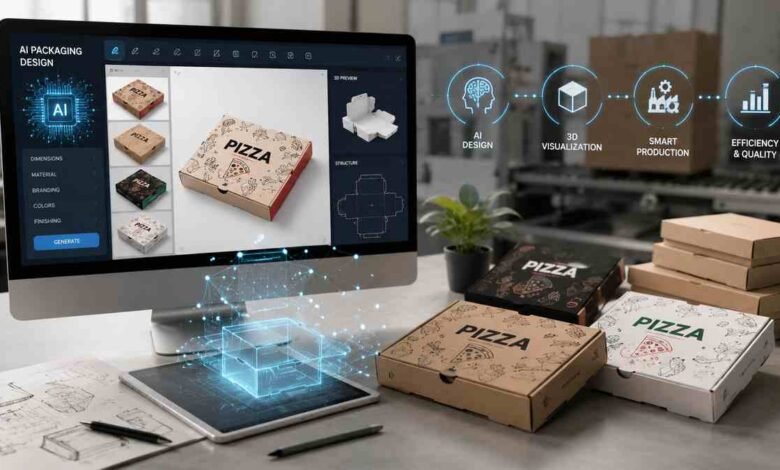
Why Pizza Packaging Matters Beyond the Box
For a pizza business, the customer experience begins before the first slice is taken. The box is often the first physical part of the order that a customer sees, handles, and opens. That makes pizza packaging more than a container; it is part of the overall presentation of the meal.
A well-designed custom pizza boxes have several jobs to perform at once. It needs to protect the pizza during handling and delivery, provide enough structural support for stacking, help manage heat and moisture, and present the food in a clean and professional way.These practical requirements can have a direct influence on how customers perceive the restaurant.
A box that arrives damaged, poorly fitted, or saturated with grease can undermine an otherwise enjoyable meal. In contrast, packaging that keeps the pizza secure and presents it neatly creates a more considered experience from the moment the order arrives.
For restaurants and pizzerias, the challenge is therefore not simply choosing a box that holds a pizza. It is choosing packaging that works with the product, the delivery process, and the identity of the business.
How Pizza Boxes Protect Quality During Delivery
Pizza can experience considerable movement between the kitchen and the customer. It may be carried by hand, placed in a delivery vehicle, stacked with other orders, or moved several times before it reaches its destination.The box needs to provide enough structural support to handle these conditions.
The fit is particularly important. A box that is significantly larger than the pizza can allow unnecessary movement, while an overly tight box can interfere with the product and make handling difficult. The right dimensions help keep the pizza positioned properly while making the packaging easier to stack and transport.
Material selection also matters. Different board constructions can provide different levels of rigidity and protection depending on the size and type of pizza being packaged.
Ventilation is another consideration. Pizza naturally releases steam after coming out of the oven. Packaging needs to account for this moisture so that the balance between heat retention and condensation is considered during the design process.
Grease resistance can also contribute to a cleaner customer experience, particularly for pizzas with ingredients that release significant amounts of oil during or after cooking.
The Connection Between Packaging and Customer Satisfaction
Customers judge a food order through more than taste alone.Temperature, presentation, cleanliness, convenience, and the condition of the order can all influence the experience.Packaging sits at the center of several of these factors.
A structurally sound box can help keep the pizza secure. A properly sized structure can reduce unnecessary movement. A clean exterior can make the order feel more professional. An easy-to-open design can make the transition from delivery to eating more convenient.None of these elements needs to be complicated.
The strongest packaging solutions often come from understanding what the product actually needs and designing around those requirements.
Choosing the Right Structure for Different Pizza Styles
There is no single packaging structure that works equally well for every pizza business.
A small personal pizza may require a different box size from a large family pizza. Deep-dish pizzas may need greater depth, while specialty shapes can require a more customized structural approach.
Restaurants should also consider how their orders are served.
A business focused primarily on delivery may place greater emphasis on stacking strength, secure closures, ventilation, and transportation. A takeaway-focused restaurant may prioritize easy handling and quick opening.
Custom sizing and structural choices can help packaging better match these different requirements. Available pizza-box solutions can include standard foldable structures as well as vented, window, deep-dish, slice, and other specialized formats.
The important principle is simple: the box should be designed around the pizza and the way the pizza reaches the customer.
How Pizza Box Design Becomes Part of a Restaurant’s Brand
Once the functional requirements are addressed, packaging provides another opportunity: communicating the restaurant’s identity.
A pizza box can carry many of the same visual elements customers encounter elsewhere, including a logo, colors, typography, illustrations, patterns, and brand messaging.
Consistency matters.
If a restaurant uses a distinctive color palette on its website and storefront but sends orders in completely generic packaging, an important physical brand touchpoint is being missed.
A custom-designed box can connect the delivery experience with the broader visual identity of the restaurant.
The goal does not have to be an elaborate design. A simple logo treatment, recognizable color combination, or distinctive illustration can sometimes communicate more effectively than a crowded exterior.
Turning a Pizza Box Into a Branding Touchpoint
Every delivered order creates a physical interaction between the restaurant and the customer. That makes the box an opportunity to reinforce recognition without interrupting the primary purpose of the packaging.
A thoughtfully designed custom pizza box can extend a restaurant’s visual identity beyond its storefront and digital channels, giving customers a physical reminder of the brand during delivery and takeaway experiences.
The design can also communicate personality.
An artisan pizzeria might choose a handcrafted visual style. A contemporary restaurant may prefer a minimalist approach. A family-focused business could use playful illustrations or approachable graphics.
There is no universal formula.
The strongest approach is one where the visual treatment makes sense for the restaurant, its menu, and the customers it wants to attract.
Design Elements That Make Pizza Packaging Memorable
Several design elements can work together to create recognizable pizza packaging.
Color
Color can establish immediate visual association. Consistent use of brand colors can help customers recognize a restaurant’s packaging before they read the name.
Typography
Typography influences tone. Bold lettering may communicate energy, while a more restrained typeface can create a refined appearance.
Illustration and Graphics
Illustrations can tell a story about the restaurant or create a visual element that customers associate with the brand.
Structural Design
The shape and opening mechanism of the box can contribute to recognition as well as functionality.
Interior Design
The inside of the box can continue the visual experience. A short message, pattern, illustration, or carefully considered layout can make opening the package feel more intentional.
The key is restraint. A memorable package does not need every possible design element. It needs the right elements working together.
Creating a Better Unboxing Experience
Unboxing is often associated with retail products, but the same principle can apply to food packaging.Opening a pizza box is a simple interaction, yet the sequence can influence how the customer experiences the order.The exterior creates the initial expectation. The opening mechanism provides the next interaction. The interior reveals the pizza and any additional design details.This sequence can be considered when developing the package.
The box should be easy to open without compromising its ability to stay closed during delivery. The pizza should be positioned securely. Interior printing or design elements should complement rather than interfere with the food.The best experience is usually the one that feels natural.
Customers should not have to struggle with unnecessary packaging layers or complicated mechanisms simply to reach their meal.
Sustainable Considerations in Pizza Packaging
Sustainability is becoming an increasingly important consideration in packaging design, but responsible packaging requires more than simply choosing a material described as environmentally friendly.
Designers and food businesses can begin by looking at the entire packaging system.Is the box appropriately sized for the product? Is unnecessary material being used? Can the structure be simplified without reducing protection? Can the materials and coatings be selected with their intended disposal or recycling pathway in mind?These questions encourage a more practical approach to sustainable packaging.
Material efficiency can also be part of the design process. A package that uses only what it needs to provide adequate protection may avoid unnecessary material while remaining functional.
For food businesses, sustainability should always be balanced with food protection, hygiene, durability, and performance.A box that fails to protect the pizza is not a successful packaging solution simply because it uses less material.
Finding the Balance Between Design and Function
The best pizza packaging decisions happen when visual design and structural requirements are considered together.
A beautiful exterior cannot compensate for a box that collapses during delivery. Similarly, a highly protective structure may not provide the desired customer experience if it is difficult to open or poorly aligned with the restaurant’s brand.
A practical design process should consider:
- Pizza size and shape
- Product weight
- Expected delivery conditions
- Stacking requirements
- Ventilation
- Grease and moisture
- Ease of opening
- Storage requirements
- Branding needs
- Material efficiency
Custom packaging can provide flexibility in these areas. Pizza-box manufacturers may offer different materials, sizes, printing methods, finishes, and additional features depending on the requirements of the business.
The objective is not maximum customization. It is a useful customization.
Seven Practical Principles for Better Pizza Packaging
1. Design Around the Pizza
Start with the product rather than the artwork. The pizza’s size, shape, weight, and characteristics should influence the structure.
2. Prioritize Food Protection
Packaging should provide appropriate support throughout handling, transportation, and delivery.
3. Choose the Right Dimensions
A well-fitted box can help keep the pizza positioned properly while avoiding unnecessary space.
4. Make Branding Clear
Use visual elements that customers can recognize without making the box difficult to understand.
5. Consider Delivery Conditions
Packaging should reflect how orders actually travel from the kitchen to the customer.
6. Avoid Unnecessary Complexity
Additional features should solve a real problem or improve the experience. Complexity for its own sake can create unnecessary cost or inconvenience.
7. Think About the Complete Lifecycle
Consider production, transportation, use, storage, and end-of-life when evaluating packaging choices.
The Future of Pizza Box Design
The future of pizza packaging is unlikely to be defined by appearance alone.
Instead, innovation will increasingly come from combining several requirements into a single solution.
A successful pizza box may need to provide dependable structural performance while also supporting a restaurant’s identity and making thoughtful use of materials.
Customization can help businesses move beyond one-size-fits-all packaging. Different pizza formats, serving models, restaurant concepts, and brand identities can call for different structural and visual approaches.
At the same time, packaging designers have an opportunity to make small improvements that create meaningful results.
A better fit.
A more useful ventilation solution.
A clearer visual hierarchy.
A simpler opening mechanism.
A more efficient material choice.
Innovation does not always need to be dramatic.Sometimes the best packaging idea is simply the one that solves an existing problem more effectively.
From Pizza Box to Brand Experience
A pizza box may spend only a short time with a customer, but that does not make its role insignificant.
It protects the product during its journey, presents the meal when the order arrives, communicates the restaurant’s identity, and becomes part of the customer’s interaction with the brand.
That makes packaging boxes a unique combination of function and communication.
For pizza businesses, the opportunity is to design boxes around real operational requirements while using visual and structural details to create a more recognizable experience.
Conclusion
A pizza box is more than a container for transporting food.It is part of the journey between the kitchen and the customer.The right structure can help protect the pizza. Thoughtful dimensions can improve handling. Appropriate ventilation and material choices can support product presentation. Meanwhile, colors, graphics, typography, and other design details can turn an otherwise ordinary box into a recognizable part of the restaurant’s identity.
Read More