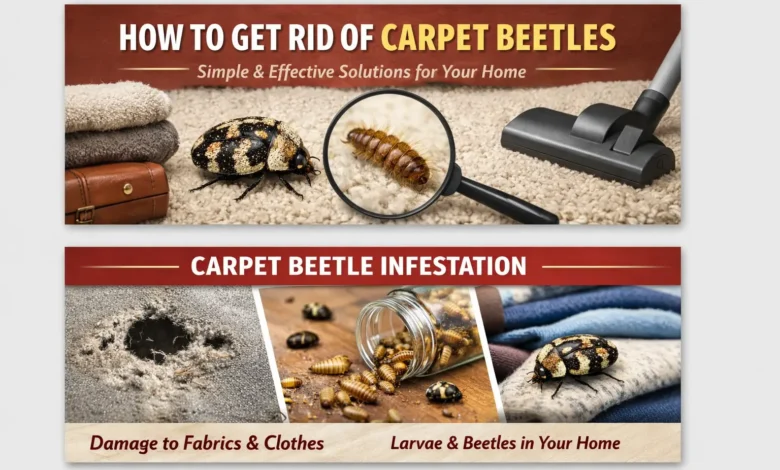
Carpet beetles are one of the most common household pests found in homes around the world. Even though they are small, carpet beetles can cause serious damage to carpets, clothes, furniture, and other fabric items. Many homeowners first notice carpet beetles when they see holes in carpets or clothing, or when they find small beetles near windows and doors.
If you are wondering how to get rid of carpet beetles permanently, this guide is written just for you. This article explains everything step by step, so anyone can understand and apply the solutions. Whether you have a small carpet beetle problem or a large infestation, this guide will help you remove them and stop them from coming back.
What Are Carpet Beetles?
Carpet beetles are tiny insects that feed on natural fibers found inside homes. There are several types of carpet beetles, including black carpet beetles, varied carpet beetles, and furniture carpet beetles. Adult carpet beetles are small, oval-shaped, and may appear black or patterned with white, yellow, or brown colors.
The adult beetles are not the main problem. Carpet beetle larvae are the real cause of damage. These larvae look like small worms covered with tiny hairs. They feed on carpets, rugs, clothing, blankets, upholstery, and even pet hair or lint.
How to Identify Carpet Beetles in Your Home
Identifying carpet beetles early is important to prevent serious damage. One common sign of carpet beetles is holes in carpets, rugs, clothes, or furniture fabric. Natural materials such as wool, silk, cotton, leather, and fur are especially attractive to them.
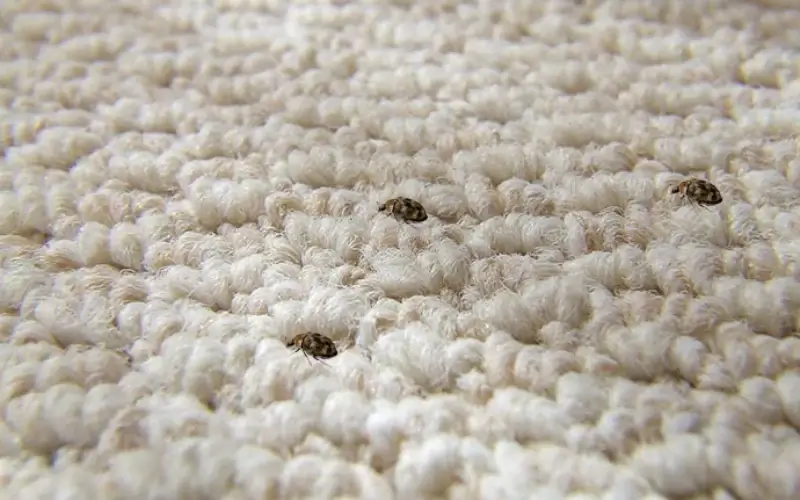
Another sign is finding carpet beetle larvae or their shed skins in dark and quiet places. These areas include under furniture, inside closets, along baseboards, inside drawers, and in storage boxes. You may also see adult carpet beetles near windows, doors, or light sources, especially during warmer months.
Why Do Carpet Beetles Appear in Houses?
Carpet beetles enter homes in many ways. Adult beetles can fly inside through open windows and doors. They may also come inside on flowers, furniture, clothing, or second-hand items.
Once inside, carpet beetles look for food. Homes that contain natural fabrics, pet hair, dust, food crumbs, or clutter provide the perfect environment for them to grow and reproduce. Areas that are not cleaned regularly make the problem worse.
Are Carpet Beetles Harmful to Humans?
Carpet beetles do not bite humans and do not spread diseases. However, the tiny hairs on carpet beetle larvae can cause skin irritation or allergic reactions in some people. This can lead to itchy red rashes, which are often mistaken for insect bites.
The biggest problem caused by carpet beetles is damage to household items. If left untreated, they can destroy expensive carpets, clothing, bedding, and furniture.
How to Get Rid of Carpet Beetles Permanently
Removing carpet beetles requires a combination of cleaning, treatment, and prevention. Follow the steps below carefully for the best results.
Step 1: Find the Infested Areas
The first step to getting rid of carpet beetles is locating where they are hiding. Check carpets, rugs, furniture, closets, drawers, and storage areas. Look for larvae, adult beetles, or damaged fabric.
Focus on dark and undisturbed areas. Carpet beetles often hide under beds, sofas, and inside wardrobes. Pet sleeping areas are also common places for infestation.
Step 2: Deep Vacuuming and Cleaning
Vacuuming is the most important step in carpet beetle removal. Vacuum all carpets, rugs, furniture, baseboards, corners, and cracks thoroughly. Make sure to vacuum under furniture and inside closets.
After vacuuming, immediately remove the vacuum bag or empty the canister into a sealed plastic bag and throw it away outside. This prevents carpet beetles from escaping back into your home.
Wash all washable items such as clothes, bedding, curtains, and rugs in hot water. Heat is very effective at killing carpet beetle eggs and larvae. Dry the items using high heat whenever possible.
For items that cannot be washed, such as delicate fabrics, freezing is a good option. Place the items in sealed plastic bags and freeze them for at least three days.
Step 3: Remove Clutter from Your Home
Clutter provides hiding places and food sources for carpet beetles. Remove old clothes, unused fabrics, papers, and boxes. Keep storage areas neat and organized.
Use airtight plastic containers instead of cardboard boxes for storing clothes and household items. Cardboard attracts carpet beetles and allows them to hide easily.
Step 4: Use Natural Remedies for Carpet Beetles
Natural treatments can help control carpet beetles, especially in early stages.
Diatomaceous earth is a natural powder that kills carpet beetles by drying out their bodies. Sprinkle a thin layer in carpets, cracks, corners, and along baseboards. Always use food-grade diatomaceous earth for safety.
Essential oils such as lavender, peppermint, eucalyptus, tea tree, and clove work as natural repellents. Mix a few drops with water and spray the solution in closets, carpets, and storage areas.
White vinegar mixed with water can also be used to clean surfaces where carpet beetles are found. Vinegar helps remove larvae and eggs.
Step 5: Use Insecticides If Needed
For severe carpet beetle infestations, insecticides may be required. Choose products specifically labeled for carpet beetles. Always read and follow the instructions carefully.
Apply insecticide sprays to baseboards, cracks, carpet edges, under furniture, and other hiding spots. Insecticide powders can also be used in hidden areas for longer-lasting protection.
Avoid spraying insecticides directly on clothing, bedding, or food storage areas unless the product allows it.
Step 6: Clean and Protect Closets and Storage Areas
Closets are one of the most common places for carpet beetles. Remove all items and vacuum shelves, walls, corners, and floors.
Wash or dry-clean clothes before putting them back. Store seasonal clothes in sealed containers. Use cedar blocks, cedar balls, or cedar hangers in closets and drawers to repel carpet beetles naturally.
Mothballs can also be used, but they should be handled carefully and kept away from children and pets.
Step 7: Seal Entry Points to Prevent Carpet Beetles
Prevent carpet beetles from entering your home by sealing cracks and gaps around windows, doors, and walls. Repair damaged window screens and use weather stripping where needed.
Keep doors and windows closed when possible, especially during spring and summer when carpet beetles are more active.
Step 8: Monitor and Maintain Regular Cleaning
Even after treatment, continue to monitor your home. Vacuum regularly and inspect areas where carpet beetles were previously found.
Regular cleaning and early detection are the best ways to prevent carpet beetles from returning.
Professional Carpet Beetle Treatment
If home remedies do not work or the infestation keeps coming back, professional pest control may be necessary. Pest control experts use stronger treatments and know how to target hidden infestations.
Professional treatment may include specialized sprays, dusts, or heat treatments that completely eliminate carpet beetles.
How Long Does It Take to Eliminate Carpet Beetles?
Getting rid of carpet beetles takes time. Depending on the size of the infestation, it can take several weeks or even a few months. Eggs may hatch after initial treatment, so repeated cleaning and monitoring are important.
Consistency is the key to permanent carpet beetle removal.
How to Prevent Carpet Beetles from Coming Back
Prevention is easier than dealing with an infestation. Vacuum regularly, especially in hidden areas. Wash clothes and bedding frequently. Store fabrics in sealed containers.
Inspect second-hand furniture and clothing before bringing them into your home. Use cedar products and natural repellents in closets and drawers.
Keep your home clean, dry, and clutter-free to reduce the risk of carpet beetles.
Common Carpet Beetle Control Mistakes
Many people focus only on adult beetles and ignore larvae. This leads to repeated infestations. Always target larvae and eggs.
Stopping treatment too early is another mistake. Even if beetles are no longer visible, eggs may still be present.
Using too much insecticide can also be harmful and unnecessary. Always follow product instructions.
Final Thoughts
Carpet beetles are a common household problem, but they can be completely eliminated with the right approach. By cleaning thoroughly, using effective treatments, and taking preventive steps, you can protect your home and belongings.
Understanding how to get rid of carpet beetles properly will save you time, money, and frustration. With patience and consistency, your home can be carpet beetle-free for good.