For a long time, if you told someone you were looking for a dairy free treat, the reaction was usually a sympathetic tilt of the head. People assumed that choosing a plant based lifestyle meant waving goodbye to the silky, indulgent world of fine confectionery. Back then, your options were mostly limited to extremely bitter dark chocolate bars that felt more like a health food than a reward. But things have changed in a huge way.
The world of sweets has undergone a massive transformation over the last few years. We are no longer in the era of compromise. Today, some of the most talented chocolatiers in the world are leaning into plant based ingredients not just because they have to, but because they want to. They are discovering that by removing dairy, they can actually highlight the complex and beautiful notes of the cacao bean itself. It is a golden age for anyone who loves a good treat but wants to keep things animal friendly.
Breaking the Dairy Myth
One of the biggest misconceptions about chocolate is that it needs milk to be creamy. In reality, the creaminess we love often comes from cocoa butter, which is the natural fat found in the cacao bean. When a chocolatier knows how to work with high quality cocoa butter, they can achieve that melt in your mouth texture without ever touching a drop of cow’s milk.
Beyond that, the innovation in plant based milks has been staggering. We have moved way beyond basic soy. Now, artisans are using cashew milk for its buttery richness, oat milk for its neutral creaminess, and coconut cream for a decadent, tropical weight. Each of these bases brings something unique to the table. Cashew milk makes for incredible pralines, while oat milk creates a “milk chocolate” style that is almost indistinguishable from the traditional version. This variety means that the flavors are actually more diverse than they used to be.
Quality Ingredients Make the Difference
When you are looking for a truly special experience, the ingredient list is your best friend. In the mass produced world, chocolate is often loaded with fillers, artificial vanillin, and excessive sugar to mask the taste of low quality beans. However, in the artisanal vegan world, there is a much heavier focus on purity.
You want to look for brands that prioritize organic cane sugar, real vanilla beans, and natural fruit extracts. When a raspberry truffle actually contains real raspberries instead of a pink dyed syrup, you can taste the difference immediately. This focus on “real food” ingredients makes the indulgence feel a bit more grounded. You aren’t just eating sugar; you are eating a carefully crafted piece of culinary art.
The Perfect Gift for the Conscious Consumer
There is a unique joy in finding a gift that aligns with someone’s values. Whether it is for a birthday, a holiday, or a simple thank you, giving something that shows you respect their lifestyle is incredibly meaningful. It shows you have gone the extra mile to find something that is inclusive and thoughtful.
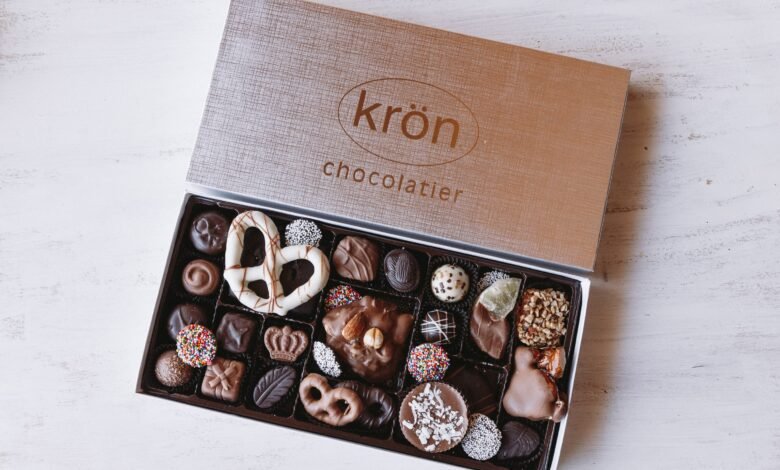
The beauty of a modern vegan box of chocolates is that it doesn’t look like “diet food.” It looks like luxury. The packaging is often elegant, the chocolates are hand decorated with natural pigments or gold leaf, and the variety is astounding. You might find a salted caramel made with coconut sugar, a hazelnut gianduja, or a bright passionfruit ganache. It is a celebration of what is possible when we think outside the box of traditional dairy based recipes.
Ethical Sourcing and the Bean to Bar Movement
Many people choose a vegan path because they care about the environment and ethics. Interestingly, the vegan chocolate community often overlaps with the “bean to bar” movement. These are makers who handle every step of the process, from sourcing the raw beans directly from farmers to roasting and grinding them in their own shops.
Direct trade is a big part of this. It ensures that farmers are paid a premium well above the fair trade minimum, which helps support sustainable farming communities. When you buy from these makers, you aren’t just getting a delicious snack; you are supporting a supply chain that is better for the planet and the people who live on it. It adds a layer of satisfaction to every bite, knowing that your treat didn’t come at a high cost to others.
How to Taste Like a Pro
If you have a beautiful selection in front of you, don’t just rush through it. To truly appreciate the work that went into it, you should engage all your senses. Start by looking at the chocolate. It should have a nice sheen, which tells you it was tempered correctly. Next, listen for the snap. A good piece of chocolate should break cleanly.
When you finally take a bite, let it sit on your tongue for a few seconds. Don’t chew right away. Let the heat of your mouth melt the cocoa butter. This is when the flavors start to unfold. You might notice notes of red fruit, tobacco, citrus, or even toasted bread. The finish should be clean, without a greasy film left behind. This is the hallmark of a high quality product.
Storing Your Treasures
Since high end vegan chocolates often lack the preservatives found in grocery store candy, they need a little bit of care. The worst place for them is actually the refrigerator. The moisture in a fridge can cause the sugar to crystalize, creating a white, grainy coating known as bloom. It is perfectly safe to eat, but it ruins the beautiful texture.
Instead, keep your box in a cool, dry place. A cupboard away from the oven or a cool pantry is ideal. You also want to keep them away from strong smells. Chocolate is very porous and will actually absorb the scent of nearby spices or garlic, which is definitely not the flavor profile you are going for!
Conclusion: Indulgence Without Compromise
The shift toward plant based living has pushed the confectionery industry to be more creative, more ethical, and more focused on quality. We are lucky to live in a time where a vegan option isn’t a second best choice—it is a top tier experience in its own right. Whether you are buying for yourself or for someone special, choosing a dairy free option is a way to enjoy the finer things in life while staying true to a kinder way of living. It is proof that we can have our cake, and our chocolate, and feel good about it too.
Frequently Asked Questions
- Does vegan chocolate have a lot of chemicals?
Actually, it is often the opposite! Because many vegan brands focus on health and ethics, they tend to avoid the artificial flavors, corn syrups, and preservatives found in mass produced dairy chocolate. They usually rely on simple, recognizable ingredients. - Is it safe for people with milk allergies?
Usually, yes, but you must always check the packaging. While the recipe might be vegan, some chocolates are made in facilities that also handle dairy. Look for “certified vegan” or “dairy free” labels if you have a severe allergy to ensure there is no cross contamination. - Is dark chocolate always vegan?
Not necessarily. While high quality dark chocolate is often just cacao, cocoa butter, and sugar, many brands add milk fat or whey to make it cheaper or softer. It is always worth a quick look at the ingredient list to be sure. - Does it stay fresh as long as regular chocolate?
Because many artisanal vegan chocolates use fresh ingredients like coconut cream instead of shelf stable powders, they might have a slightly shorter shelf life. Most truffles are best enjoyed within a month, while solid bars can last much longer. - Where can I find a good variety?
Local boutique chocolate shops are a great place to start, as many now offer at least a few plant based options. There are also many incredible online retailers that specialize exclusively in high end, vegan sweets and can ship them right to your door with temperature controlled packaging.