If you’ve ever tried to order patches for a small team, a startup, or even a personal collection, you already know the problem: most manufacturers want you to buy hundreds of pieces before they’ll even talk design details. That’s fine for a battalion or a big apparel brand. It’s not fine for a five-person airsoft squad, a new clothing label, or someone who just wants one well-made patch for a jacket.
This is exactly where a custom military patch earns its place. It gives individuals and small groups the same design freedom that large organizations get, minus the bulk commitment. And once you understand how these patches are made, priced, and used, ordering one (or a dozen) stops feeling complicated.
What Makes a Patch “Military Style” Anyway
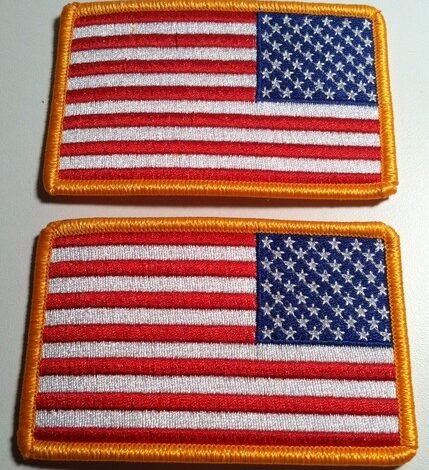
A military-style patch isn’t necessarily an official government-issued insignia. Most of the ones people order today are inspired by that aesthetic — bold outlines, muted or tactical color palettes, rank-style lettering, unit-style emblems — but made for personal, team, or brand use rather than active-duty regulation.
That distinction matters. Official patches follow strict specifications set by military branches. Custom versions borrow the look while giving the buyer full control over size, color, backing, and message. That’s why hobbyists, veterans’ groups, motorcycle clubs, gyms, and even corporate teams use them for identity and morale rather than rank.
The Real Advantage: No Minimum Order
The biggest shift in this industry over the last few years has been the move away from bulk-only production. Instead of forcing buyers into 100+ piece minimums, several manufacturers now let you order a single patch at full customization.
This matters for three groups in particular:
Individuals who want one patch for a jacket, backpack, or gift
Small teams testing a design before committing to a bigger batch
New brands that want to see how a patch looks on merchandise before scaling production
Low-volume ordering doesn’t just save money upfront — it removes the risk of being stuck with 200 patches of a design you’re no longer happy with.
Materials Actually Change the Outcome
Not all patches behave the same way once they’re on fabric. A quick breakdown of what’s commonly available:
Embroidered the classic look, raised thread detail, great for uniforms, caps, and jackets. Slightly limited on ultra-fine detail.
PVC/Rubber waterproof, flexible, holds up in rough conditions. Ideal for gear bags, tactical vests, and outdoor use.
Woven thinner profile than embroidery, better for patches with small text or fine linework.
Leather (real or faux) adds a premium, rugged look, often used for branding on jackets or bags rather than uniforms.
Chenille thick, textured, and vintage in feel more common on varsity-style patches than tactical ones, but increasingly popular for retro military designs.
Picking the right material comes down to where the patch will live: a patch that sits on a soft cap needs different backing than one that goes on a tactical vest exposed to weather.
How Attachment Method Affects Everyday Use
Three methods dominate:
Iron-on — fast, no sewing needed, best for lighter fabrics like cotton or polyester.
Sew-on — the most durable option, standard for uniforms and heavy-use gear.
Velcro — lets you swap patches in and out, popular for tactical loadouts and interchangeable displays.
If the patch is decorative and rarely moved, iron-on or sew-on works fine. If it needs to come off frequently — say, for cleaning gear or switching unit designations — Velcro backing is worth the small extra cost.
Pricing: What to Actually Expect
Cost depends on three variables: size, material, and quantity. As a rough guide, single or small-batch orders typically run higher per piece than bulk runs, since setup costs are spread across fewer units. Detailed embroidery, PVC, or specialty threads like IR-reactive material also push the price up compared to a simple two-color design.
The takeaway: if you only need a handful of patches, expect to pay more per unit than a company ordering 500 — but you’re not locked into a huge inventory you may never use.
A Quick Word on Legality and Use
Wearing a military-style patch as a civilian generally isn’t illegal — it’s a common form of self-expression in outdoor, tactical, and fashion communities. Problems only arise when someone uses official insignia to impersonate rank, service, or authority, which is treated seriously in most countries. Within active-duty military units, custom or morale patches are often allowed, but only with command approval and adherence to placement rules — official dress uniforms are a different story entirely.
Where This Actually Gets Made
Production generally falls into three camps: certified defense suppliers making regulation insignia under strict guidelines, marketplace sellers offering ready-made or lightly customized designs, and dedicated custom patch manufacturers who specialize in low or no-minimum orders with full design control. For anyone who wants a specific design, not just a close match to one, the manufacturer route is the one worth exploring — it’s covered in more depth in this guide on custom military patches with no minimum order requirements, which walks through types, pricing tiers, and where to source them.
Final Thought
The patch industry has quietly become far more accessible than most people realize. You no longer need a unit contract or a wholesale account to get something well-made and specific to you. Whether it’s one patch for a jacket or a small batch for a team, the tools — and the manufacturers — now exist to make that easy.
If you’re exploring options and want to see the range of materials, backings, and design styles available for low-volume orders, it’s worth browsing a dedicated custom patches supplier directly rather than a generic marketplace — you’ll usually get more control over the final result and someone to actually talk to about the design.